
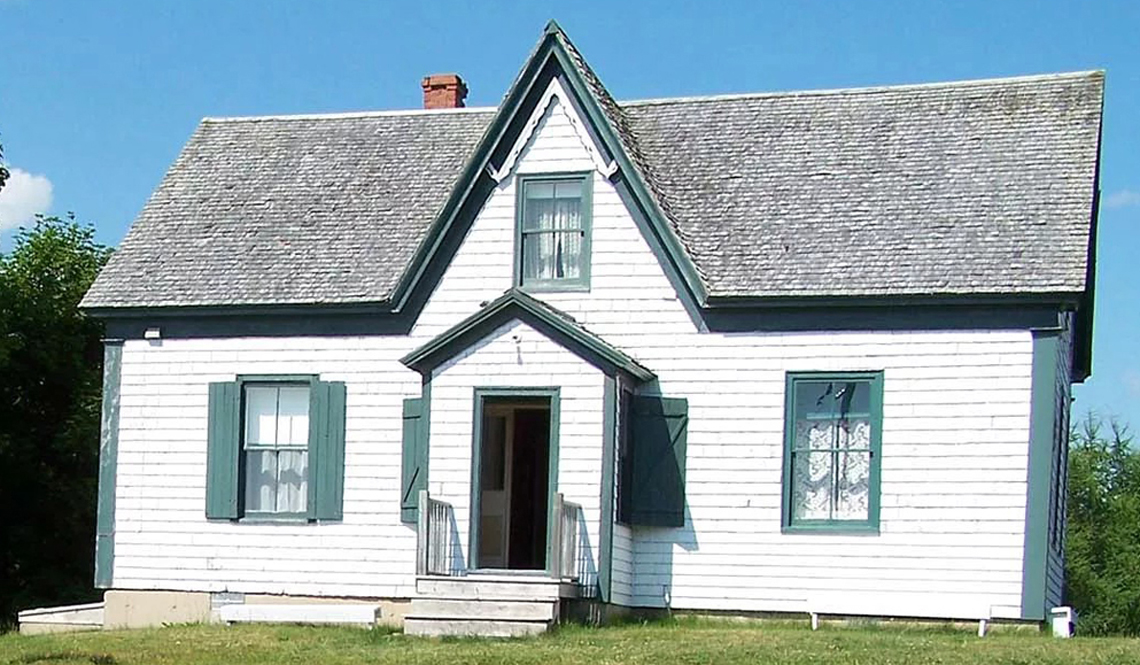
MacDonald House Museum in Lake Ainslie.
-by Beverley Phillips
Heritage organizations across the province were caught off guard by the recent cuts in the Nova Scotia budget, just three years after the province increased its funding.
Among the $300 million cut in the recent Tim Houston budget were cuts to organizations that preserve our history. Along with the closure of 12 provincial museums, the Association of Nova Scotia Museums (ANMS) also received cuts to their budget and to what they do to support museums around the province.
The ANSM is a nonprofit organization that is celebrating its 50th anniversary this year. Over those 50 years, it has been offering training and support to museums across the province. It has been advocating on their behalf and providing education to them, as well as developing a collections database.
Three years ago, the ANSM met with the province, which agreed they needed more support and increased funding. The Community Museum Assistance Program (CMAP) from the Department of Communities, Culture, Tourism, and Heritage saw a $650,000 increase, which was deemed “a permanent increase to the budget” by Christopher Shore, Executive Director of Culture and Heritage Development of the Department of Communities, Culture, Tourism, and Heritage.
And now, that support that was deemed vital three years ago has been cut. CMAP has been cut by $300,000. Devin Casario, executive director of ANSM, said it came as a surprise to them. “There was no consultation beforehand that this would be happening,” he said.
The ANSM has lost 20 per cent of its operational funding, as well as 50 per cent, or $50,000, for the TRACK program they offer. As stated on its website, “The TRACK program provides training, resources, assessment, coaching, and knowledge-sharing for museums. It guides museums on updating their standards of operation and becoming stronger, more engaged organizations by identifying needs and opportunities for support.” It offers workshops, webinars, and coaching from experts to help museums develop what they offer the community and visitors. “The TRACK program is essential for museums to take to receive CMAP funding,” said Casario. “We do have significant reserves, and so we will be able to complete this year’s program, but we don’t know what it will look like going forward.”
He said they have been trying to get a meeting with the minister, but as of March 30th, they had not been able to do so.
On the impact of the cuts, he said, “This is devastating to the province and rural communities. These small museums tell us stories unique to their area. And they are community hubs, serving seniors and youth programs, and they provide summer jobs in rural communities. We will be assessing the impact of these cuts and bringing that information back to the government.”
“This is an existential moment to the sector,” he added.
Local heritage organizations have been taking stock of how the cuts will impact them. Ben MacKay, secretary of the Board for the Inverness Miners Museum, said they are waiting to see what the impact will be. They received a federal grant for a summer student and are waiting to hear about the other grants they applied for.
MacKay is concerned with what the cut to TRACK will mean for them. “We worked hard to get into the program. We had a good report, but with their 50 per cent cut, it’s up in the air what we will receive,” said MacKay. “In the coming weeks, we are having meetings with local elected officials to see what they can do to offer support going forward.”
On their Facebook page, the board of directors posted their concerns about the cuts noting, “Heritage preservation is not just an investment in our past, but in our future. Understanding where we come from strengthens civic pride, fosters education, and connects young people to the values and traditions that have built our amazing province.”
“It’s important for local organizations to stick together,” said MacKay, adding, “Community museums and art centres aren’t just for visitors, they are for locals as well, and it’s important for local residents to be part of them.”
The Inverness Miners Museum will be fundraising this summer, including a softball tournament during Gathering Week, as well as other events that will be posted to their Facebook page.
MacDonald House in Lake Ainslie noted on its Facebook page that because of budget cuts, they are relying even more on the public’s help to maintain operations and have a matching donations fundraiser on the go. Until May 31st, donations made to the MacDonald House Museum will be tripled. A $10 gift will provide them with $30. From June 1st to August 31st, donations will be doubled.
The Mabou Gaelic and Historical Society (MGHS) noted the cuts to ANSM as well. “We have been working with the ANSM to improve our museum knowledge, ie, record keeping, artifact storage, etc. ANSM was subject to a 20 per cent reduction in their operating grant which will directly impact our chances of obtaining a full-time employee for the museum, which was a goal that we were working towards,” said MGHS president Joanne MacIntyre in an email.
She also noted their other funding sources. “We frequently access provincial money through grants that are awarded through the Office of Gaelic Affairs. The OGA has suffered a 50 per cent reduction in their grant funding. In a typical year, it is not unusual for us to apply three times a year to this pocket of money. The events that we are able to host and support with the financial assistance of the government include Gaelic language classes, including immersions, wintertime music sessions, cultural experiences for local youth, as well as adding to and making accessible through digitization, our archive of local songs, folklore, and history to visitors who come into the museum. The number of people that are served by these activities is countless.”
The loss of the Port Hastings visitor information centre (VIC) is also a cause for concern. “Something that will impact many more than us here at MGHS,” wrote MacIntyre, “the loss of the tourist information centre at the causeway! This is something that we feel strongly will have a huge, detrimental impact on most of Inverness County. This seems like it was completely not thought through, and we feel strongly that it will negatively impact our visitor numbers for the tourist season.”
Casario was grateful for all the hard work these and other heritage organizations across the province are doing and encouraged them to stay strong. “The sector has proven to be resilient,” he said.